Sector Detail

Industrial & Logistics

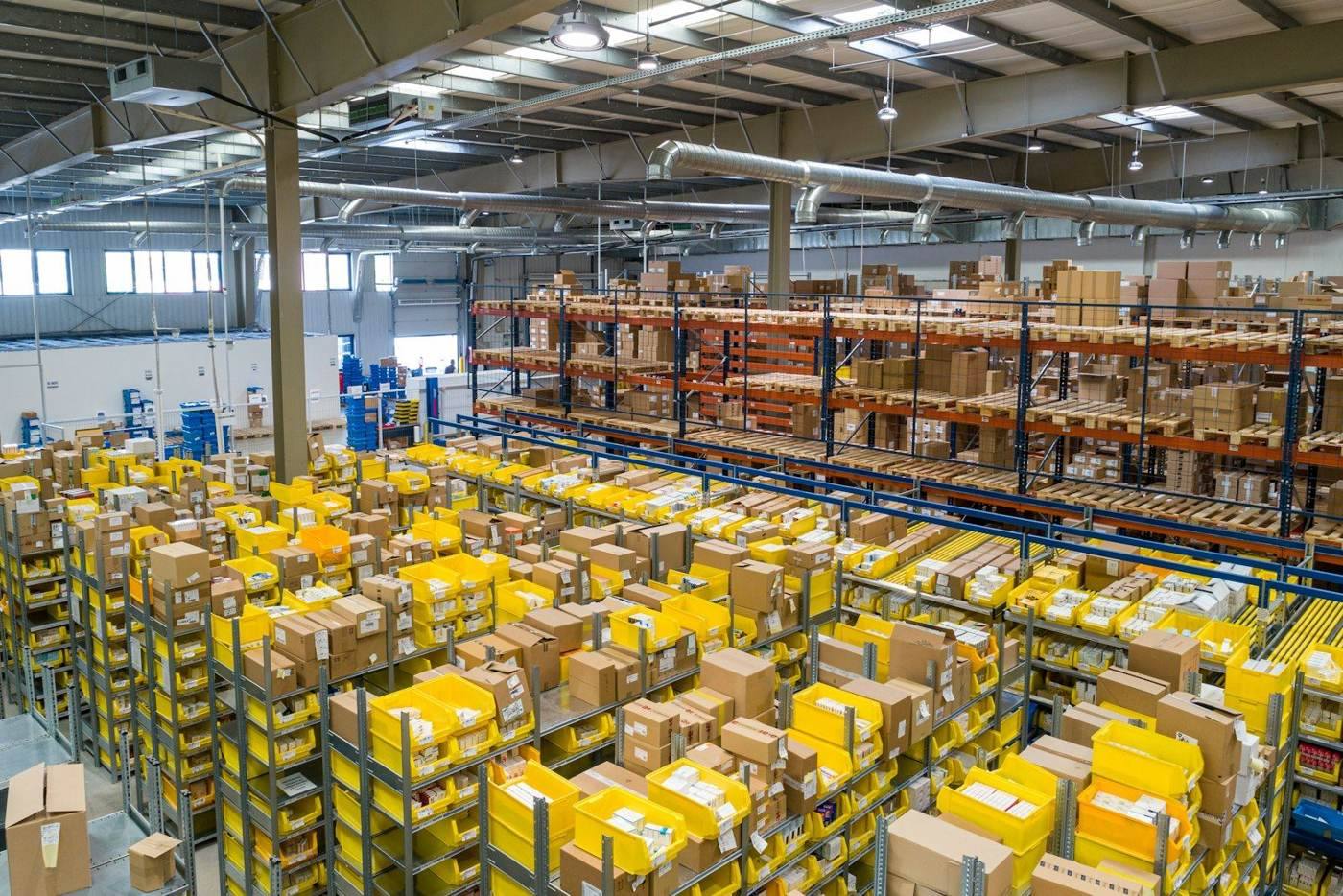
Cold-storage facilities, fulfillment centers, light manufacturing hubs, and trade free-zone warehouses.

The global picture

Supply chains are being redesigned for resilience.

Companies are spreading production and stock across more locations, and online retail keeps raising demand for modern warehouses close to consumers. Researchers report that the best large warehouses in the tightest markets are approaching scarcity.

Disruption to Gulf shipping in 2026 showed again how much trade depends on a few routes, and how valuable storage and alternative corridors are when one is interrupted.

The UAE picture

A trade hub that is building its industrial base.

The UAE sits between Asia, Europe and Africa. Jebel Ali Port can handle 19.4 million containers a year, and the free zone beside it is home to about 12,000 businesses.

National policy is to more than double industry's contribution to the economy by 2031. Non-oil foreign trade reached about AED 3.8 trillion in 2025.

  • AED 300bnTarget for industry's contribution to GDP by 2031, up from AED 133 billion (Operation 300bn)3
  • 19.4mContainers (TEU) Jebel Ali Port can handle each year (DP World)4
The gap

Trade is growing faster than the modern space that serves it.

  1. 01

    Cold chain

    Chilled and frozen capacity lags the growth in food and pharmaceutical trade.

  2. 02

    Location

    Facilities have to sit next to ports and freight routes, where suitable land is limited.

  3. 03

    Resilience

    The events of 2026 raised the value of storage capacity and of more than one route to market.

Our role

How Epiidosis works in Industrial & Logistics

Epiidosis builds, owns and leases supply-chain infrastructure near major sea ports and international freight routes.

Sector Engagement

Bilateral opportunities in Industrial & Logistics.

Operators, developers, and landowners active in industrial & logistics may submit a structured inquiry for evaluation against the firm's mandate criteria.